Bibliometric Analysis & Paper Writing
A month-long, hands-on online cohort on weekend evenings — where you are handheld through your own bibliometric paper end to end: from title and research question, to search strings and a Scopus dataset, to VOSviewer and Bibliometrix/Biblioshiny analysis, to a submission-ready manuscript. Conducted by Dr. Sagar S. Tanna, whose own bibliometric reviews are published in Scopus Q1 and Web of Science journals. An optional 1:1 mentoring plan adds journal identification and manuscript review. The August cohort has closed — new dates are being scheduled.
Join the free Research Circle to hear the next cohort dates first, with early-bird pricing.
Built for scholars who want a publishable method
PhD scholars planning a literature-review chapter or review paper · faculty members who need Scopus/WoS publications for career progression · early-career researchers who want a rigorous, software-backed review method instead of a narrative summary. No prior VOSviewer or R experience needed.
Four guided modules, title to manuscript
Delivered across the month's weekend sessions (Sat & Sun, 7:00 PM onwards), with handholding on your own paper between the topics below.
Foundations, title, search strings & your dataset
- What bibliometric analysis is (and when reviewers reject it)
- Framing your title, research question and topic scoping
- Keywords, Boolean search strings, Scopus export & screening logic
- Hands-on: build the dataset you'll analyse through the cohort
VOSviewer hands-on
- Co-authorship, co-occurrence, citation, coupling maps
- Thresholds, clustering and reading the maps correctly
- Exporting journal-quality figures
- Hands-on: full VOSviewer run on your dataset
Bibliometrix / Biblioshiny & performance analysis
- Biblioshiny without coding: sources, authors, documents
- Performance analysis: production, citations, laws
- Thematic maps, trend topics, conceptual structure
- Hands-on: tables and figures for your paper
Writing & publishing the paper
- Standard structure of a bibliometric review paper
- Turning maps and tables into findings and a research agenda
- Journal selection: Scopus/ABDC targeting, avoiding predatory outlets
- Q&A on your own topic and next steps
You leave with working files, not just notes
Your own analysis, running
VOSviewer maps and Biblioshiny outputs produced on a real dataset during the sessions.
Templates & resources
Search-string worksheet, screening checklist, paper-structure template and a sample dataset to practise on.
Certificate
Certificate of participation from MS Advisory, signed by Dr. Sagar S. Tanna.
Also included: installation guidance before the first weekend and WhatsApp support for workshop-related questions through the cohort. Free companions: the Boolean search-string builder and beginner's guide to bibliometric analysis.
From earlier sessions & workshops
Learn the method from someone who publishes with it
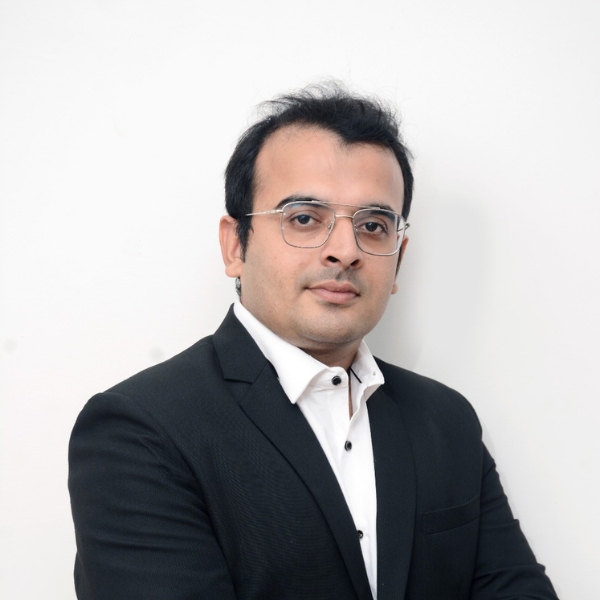
Dr. Sagar S. Tanna is Assistant Professor in Marketing at an NBA-accredited MBA college with 10+ years of teaching experience, Ph.D. in Entrepreneurship, UGC-NET qualified. His bibliometric reviews are published in the International Journal of Sustainability in Higher Education (Scopus Q1, Emerald) and the Journal of Global Entrepreneurship Research (Web of Science) — the exact workflow taught in this workshop.
Before you register
Do I need prior experience with VOSviewer or R?
No. The workshop starts from fundamentals and every software step is demonstrated live. Biblioshiny is used through its point-and-click interface, so no R coding is required.
Will I get a certificate?
Yes. Participants who attend the sessions receive a certificate of participation from MS Advisory, signed by Dr. Sagar S. Tanna.
What software and data access do I need?
A laptop with VOSviewer (free) and R with Bibliometrix installed — installation guidance is shared before the first session. A sample dataset is provided, so Scopus access is helpful but not compulsory.
What if I miss a session?
Session materials are shared with all registered participants, and you can bring questions from a missed session to the next one.
What's the difference between the ₹1,999 and ₹2,999 plans?
The ₹1,999 Cohort + Handholding plan gives you the full month-long weekend cohort with hands-on guidance on your own paper, from title to a submission-ready manuscript. The ₹2,999 Cohort + 1:1 Mentoring plan includes everything in the cohort plus personal one-to-one mentoring on your paper: journal identification (Scopus/ABDC targeting), a manuscript review with feedback, and personalised guidance up to submission.
How do I pay?
Registration is on this page with secure online payment (UPI, cards, netbanking) via Razorpay. You receive an email confirmation immediately after payment.
The August cohort has closed — a new one is coming soon
Dates for the next cohort are being scheduled. Join the free Research Circle and you'll be the first to hear — with early-bird pricing before seats open publicly.
What the cohort covers, for reference — pricing may be revised for the next cohort. Questions? WhatsApp us.
- Month-long weekend cohort (Sat & Sun, from 8 Aug, 7 PM onwards)
- Handholding on your paper — title to a submission-ready manuscript
- Live hands-on VOSviewer + Biblioshiny; templates & sample dataset
- Certificate of participation + WhatsApp support
- Everything in the ₹1,999 cohort
- Personal 1:1 mentoring on your own paper
- Journal identification — Scopus / ABDC targeting
- Manuscript review with feedback + guidance to submission
Attended a session? Tell us how it went
Your feedback helps other scholars decide. Reviewed feedback appears on our site with your name and a verified badge — we never publish your email.